

Tips for Avoiding Microplastics
Microplastics have become a part of our everyday life, and there are many health implications. Plastic is everywhere, and it is good to have some strategies for reducing exposure. Here are some tips for avoiding microplastics in your daily routine.

Choose Non-Plastic Food and Drink Containers
An easy way to avoid microplastics is to switch to non-plastic food and drink containers such as glass or stainless steel. This includes things like utensils and drinking straws as well. Use beeswax wrap instead of plastic wrap.
Also look for paper tea bags (not plastic) and avoid single use plastic k-cups.
Avoid Heating Food in Plastic and Avoid Teflon
In addition to avoiding plastic food containers, don’t heat up foods in plastic containers. This could be a container it comes in or takeout containers, if you have already switched to other types of food storage in your home.
Filter Your Drinking Water
A good filter will filter out microplastics, so you can rest assure knowing your drinking water is safe and free of plastics.
Skip Bottled Water
Bottled water can be a source of microplastics, and plastic bottles are bad for the environment. Skip bottled water all together to eliminate this as a source of microplastics.

Avoid Products Containing Microbeads
Microbeads are not legal in most places, and it is good to make sure you avoid these. This source of microplastic is bad for you and terrible for the environment as well.
Use Natural Cleaning Tools
Look for natural cleaning tools that are plant based, such as fabric cleaning cloths. This way, you are not contributing to the breakdown of plastic.
Reduce Synthetic Clothing and Fabrics
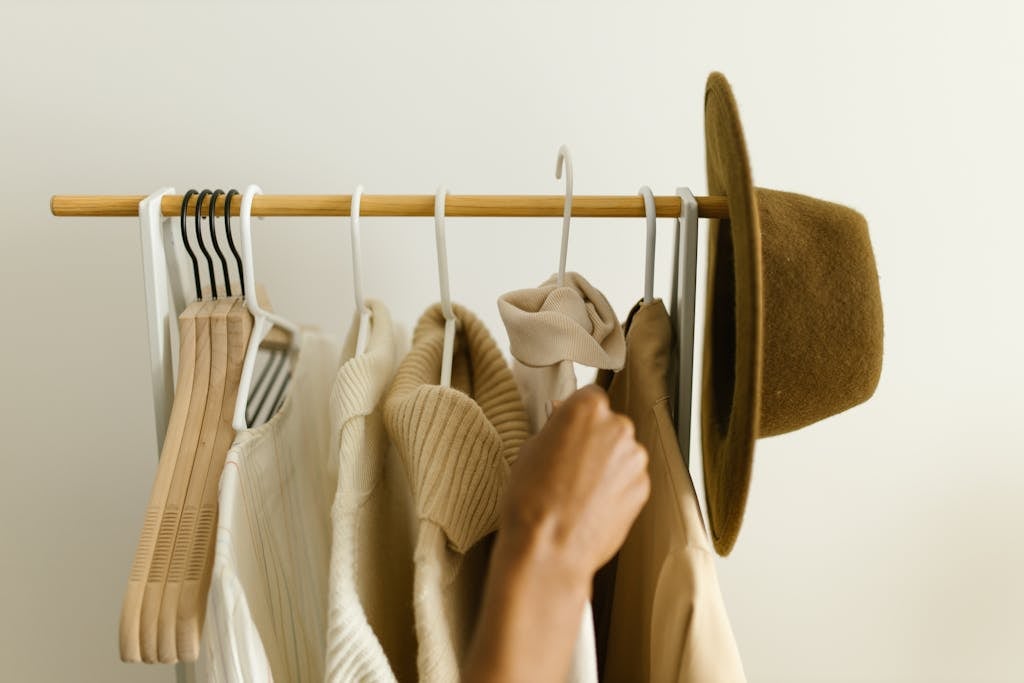
Natural fabrics are best for your skin as far as being healthy, breathable, and hypoallergenic. Synthetic fabrics expose your skin to microplastics and chemicals, and are bad for the environment.
Wash Clothes on a Gentle Cycle, Air Dry Clothes, and Install a Microfiber Filter for Laundry or Air Dry
Wash clothes on a gentler cycle lowers how much microplastics are generated. Drying laundry can create microplastics, and a good filter will catch microplastics from your laundry. This helps reduce your exposure and reduces microplastics in the environment. It also helps to air dry laundry, which reduces the breakdown of fabrics and is also better for the environment.
Dust and Vacuum Regularly with a HEPA Filter
Dusting and vacuuming helps to remove microplastics from around your home, as well as allergens and other environmental concerms.
Avoid Single Use Plastics
Single use plastics are a source of microplastics and are terrible for the environment. Look for alternatives whenever you can.




This list is very helpful. I need to start with better selection of the clothes I wear.
I do try to avoid them when I can. I am not a fan of single use plastics. And I do vacuum with a filter!
Oh wow, seems like microplastics are everywhere. I was surprised by the washer tip to use the gentle cycle to wash our clothes as well as the dryer.
I loved this post! So many great ideas for where to look for microplastics. I am into this, and helping my body be free of them.
I really appreciate how this post breaks down a complex issue like microplastics into simple, actionable steps that actually fit into everyday life. Your focus on small swaps and intentional choices makes reducing plastic feel empowering rather than overwhelming. This guide reminds me that even tiny changes can add up to a healthier home and planet over time
Wow, what a great post! A lot of people would be surprised to learn just how much microplastics are in almost everything these days. I really try to be mindful about reducing them where I can, especially when it comes to water bottles since I drink so much water.